Where should you put it, and what do you need?
A hard, level floor is best. On carpet the feet can sink and the plate may wobble; on wood or tile, put a mat underneath to dampen the hum (the Rumblex plates include one, most others do not). Leave an arm's length to a wall or a sturdy chair on at least one side. You will rarely need it. You will be glad it is there the first time you look down at the remote.
Wear flat shoes or go in socks; bare feet are fine on smooth decks and intense on textured ones like the Eilison FitMax. Keep the remote in your hand or on your wrist. Every plate in our ranking has to stay plugged in, so think about where the cord runs before you start.
How should you stand?
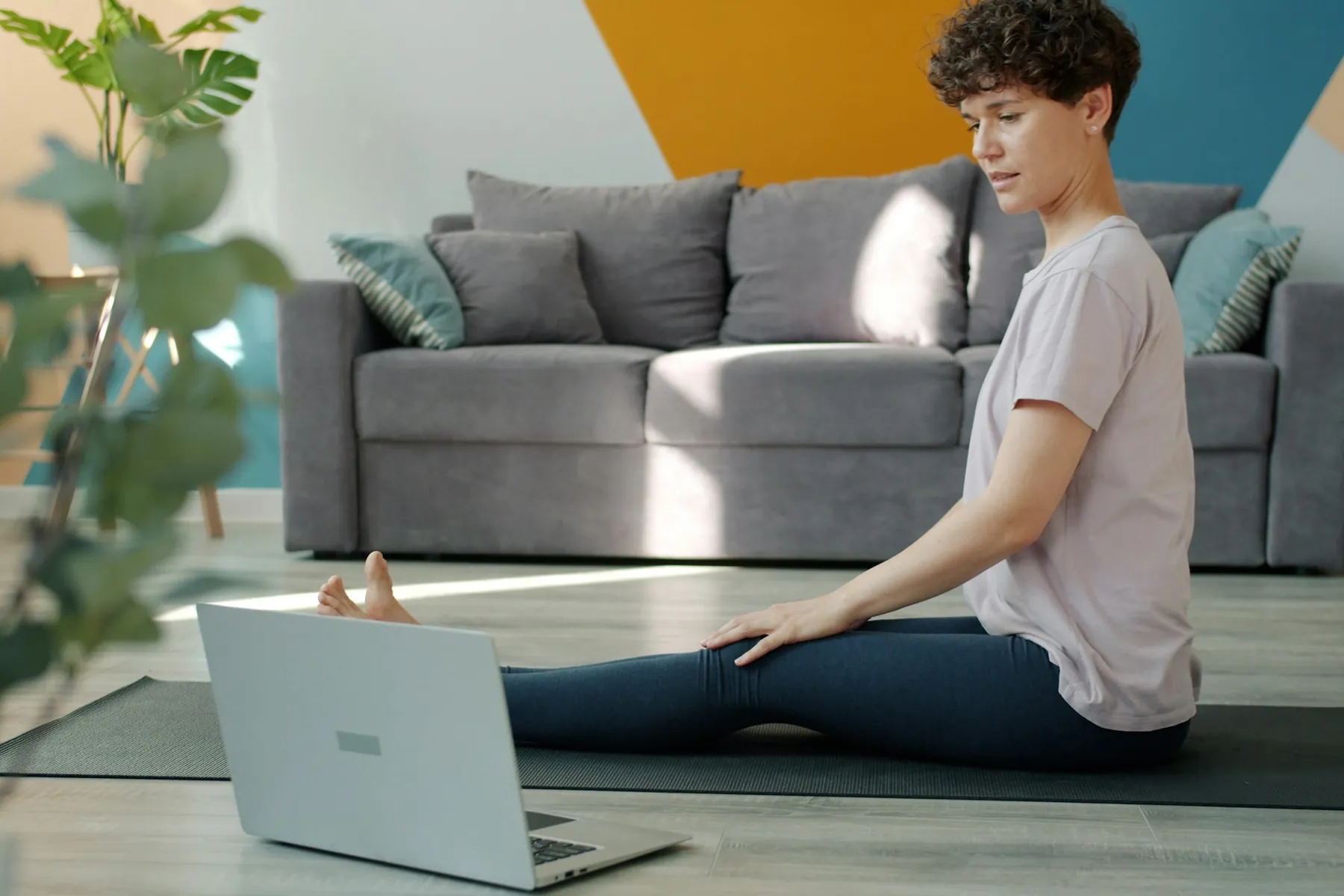
Knees soft. That is the rule that matters most. With your legs locked straight, the movement travels up to your head and you will feel it in your teeth; with a slight bend, your thighs absorb it and the session becomes comfortable. Keep your weight over the middle of your feet, shoulders loose, eyes forward.
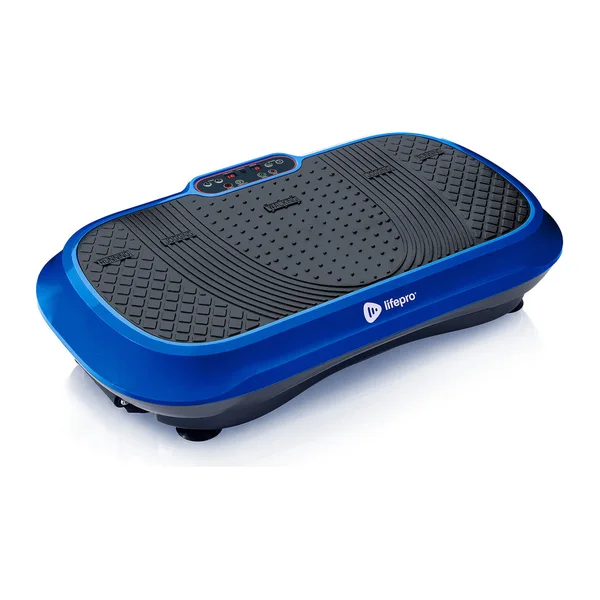
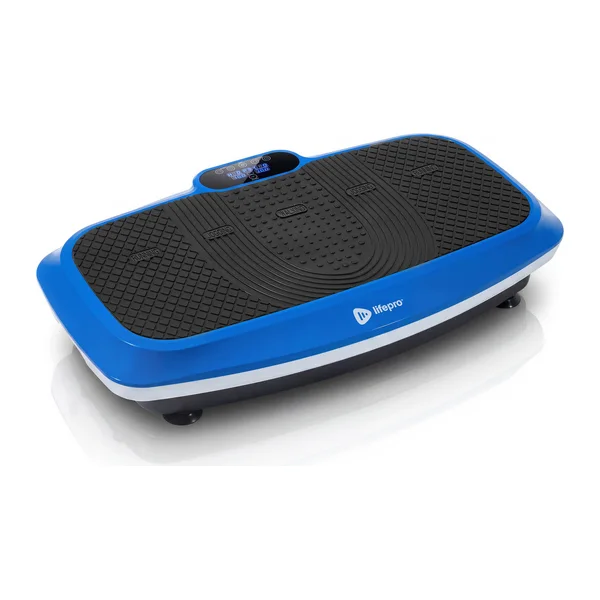
On an oscillating plate, foot position is your intensity dial. LifePro's guide for the Waver names three stances: feet together in the center ("walking", the gentlest), a moderate stance ("jogging") and feet at the edges ("running"). The speed number is the same; the travel under your feet is not. Start in the center.
Which settings should a beginner use?
The lowest ones, for longer than you think. LifePro's speed guide for the Waver calls levels 1 to 33 gentle, 34 to 66 moderate and 67 to 99 intense. Spend your first week in the first band. On plates that show hertz, that means roughly 5 to 10 Hz on an oscillating model. On a linear plate such as the VT007, start on the Lo amplitude at the bottom of its 10 to 40 Hz range.
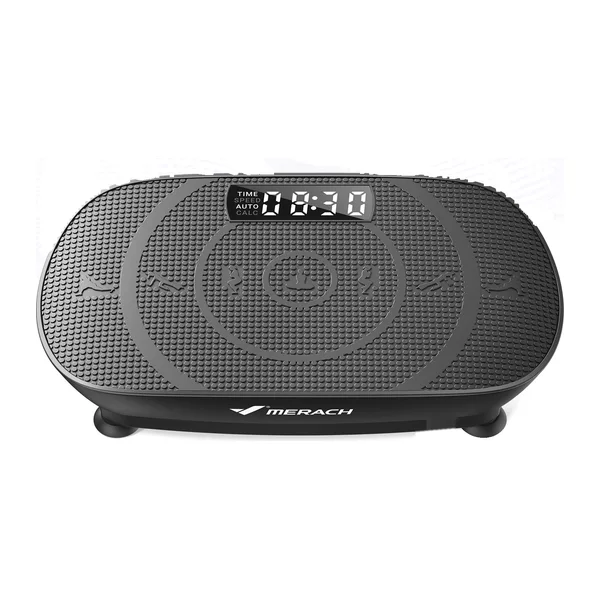
Preset programs are tempting, and most ramp up and down on their own. Try them in week two, once you know what each speed feels like. Merach's plates run a 10-minute auto cycle and shut off by themselves, which is a nice guard against overdoing it.
Video: "10-Minute Vibration Plate Workout | Beginner-Friendly Routine to Get You Started", Sunny Health & Fitness on YouTube. Not made by us; chosen because it shows the plate or the topic clearly.
How long and how often?
Ten minutes a day is the standard starting point across the brands we read. LifePro suggests 10 to 15 minutes a day at first and recommends up to 20; Merach builds its routine around a 10-minute cycle; Power Plate works in holds of 30 or 60 seconds for a few minutes in total. Nobody credible recommends an hour.
Most days of the week beats one long weekend session. Tie it to something you already do (the kettle, the morning news, the last email of the day) and it has a chance of becoming automatic. If you feel dizzy, nauseous or unwell, stop; if it happens again, talk to your doctor before continuing.
A four-week beginner plan
Week 1. Stand, feet together, lowest band, 10 minutes. Nothing else. Get used to it.
Week 2. Same time. Move your feet to shoulder width for the middle five minutes, then back to center. Try one preset program.
Week 3. Raise the speed a few levels. Add two moves, 30 seconds each, twice: a slow half squat (hold the bottom) and calf raises. Rest standing in between.
Week 4. Keep the squats and calf raises. Add a plank with your forearms or palms on the deck (20 to 30 seconds) and, if your plate came with bands, a set of slow biceps curls while you stand. Total: still 10 to 15 minutes.
After a month you will know which parts you like. Keep those. Drop the rest without guilt.
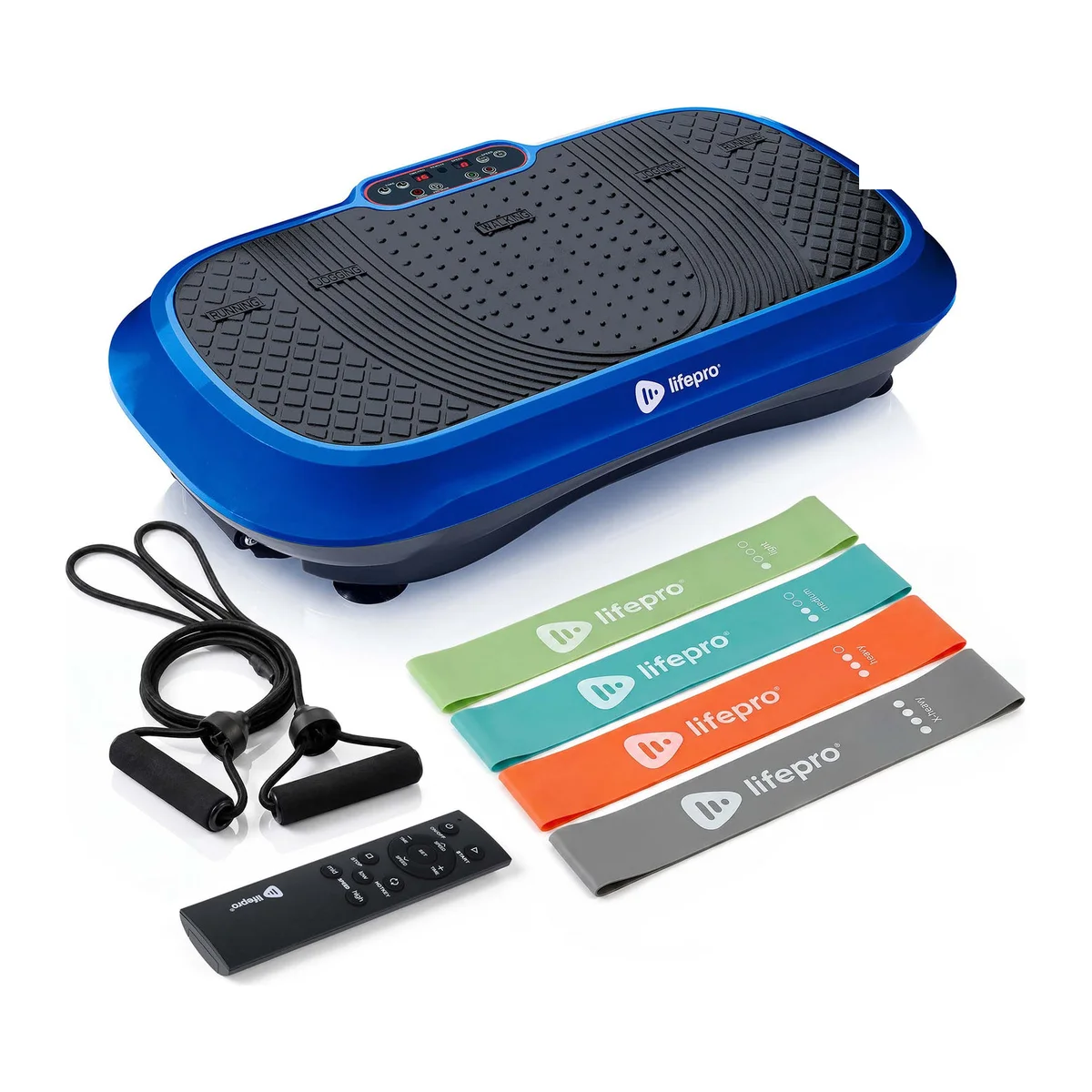
Six simple exercises to try
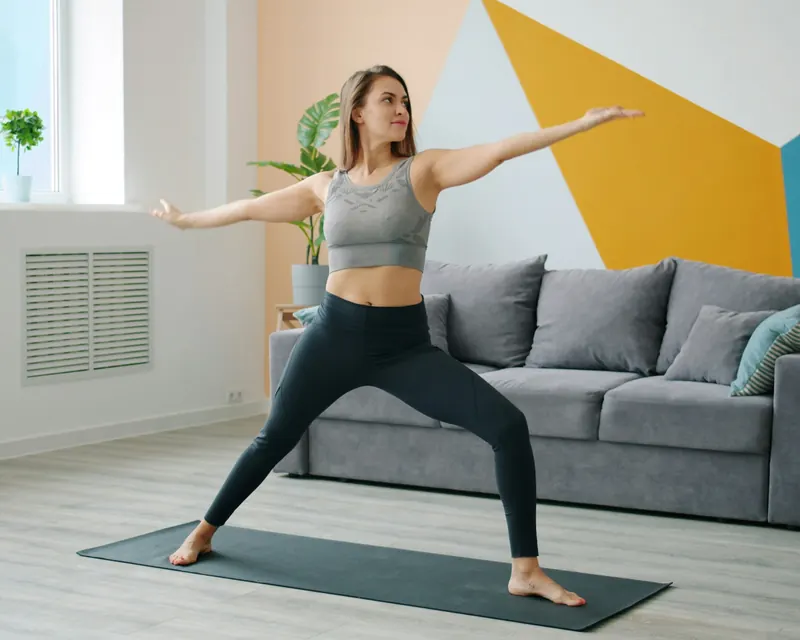
Standing. The base. Soft knees, tall posture.
Half squat hold. Sit back as if into a chair, stop where it is comfortable, hold 20 to 30 seconds.
Calf raise. Rise onto your toes, lower slowly. Hold a chair if your balance asks for it.
Seated legs. Sit on a chair in front of the plate, feet on the deck. The gentlest option there is, and a favorite at the end of the day.
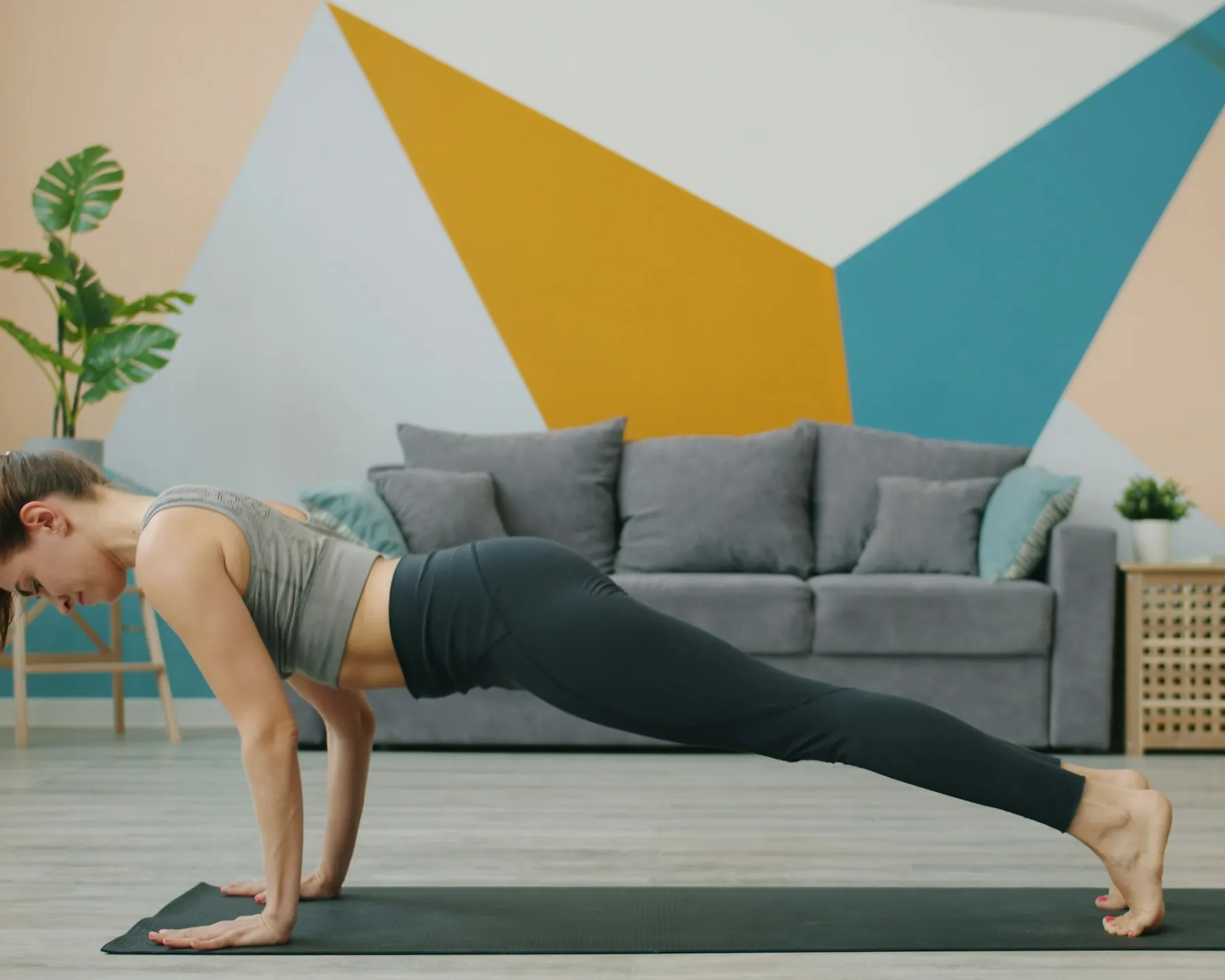
Plank. Hands or forearms on the deck, body straight. Start with 15 seconds.
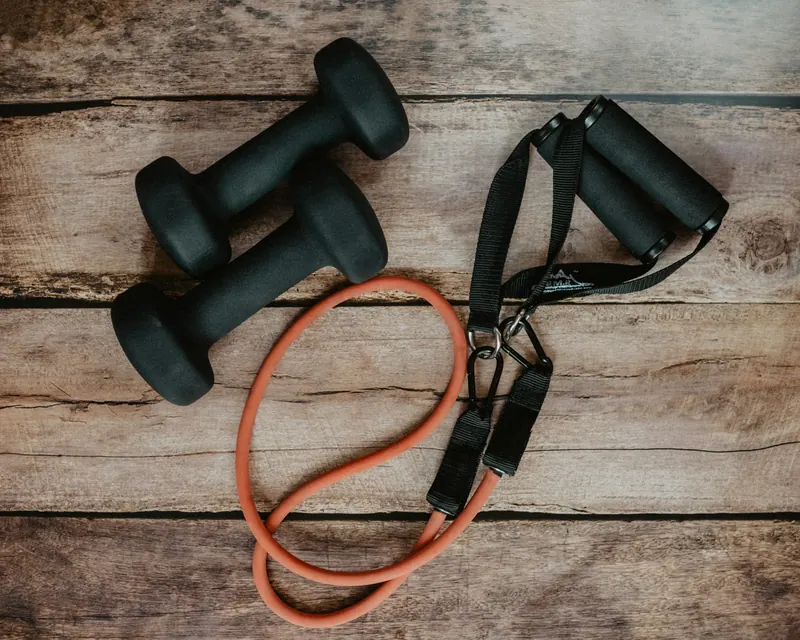
Band curls or rows. Clip the bands on and pull slowly while standing. Light work for arms and shoulders.
Sunny Health & Fitness publishes a 10-minute beginner routine on video that strings moves like these together; we embed it below because it is clear and unhurried.
What mistakes should you avoid?
Locked knees, first of all. Then starting too high because the low setting "does nothing" (it does; give it a week). Then long sessions: twenty minutes is the upper figure brands give, not a minimum. Do not stand on the plate holding a child or a pet, and do not let kids play on it; LifePro's manual says the plate is not for children or pets.
The last mistake is expecting the plate to do your exercise for you. The Mayo Clinic suggests that if you choose whole-body vibration, you keep aerobic and strength activities in your week as well. The plate is the easy part of the plan, not the plan.
Which plate is easiest to start on?
One with fine control at the low end, a remote, and enough deck to change stance. The LifePro Waver ($199.99) has 99 levels from 4 Hz and ten programs. The Merach CV30 Pro ($119.99) starts when you step on and stops itself after ten minutes. If you want a second kind of movement to keep things interesting, the LifePro Turbo 3D adds a pulse mode for $249.99. If your balance worries you, read our ranking for seniors first.
This guide helps you buy; it isn't medical advice. Whole-body vibration can be harmful in some situations: check with your doctor before using a plate, especially if you are pregnant or have any health problems.